
Introduction
When it comes to designing or renovating your kitchen or bathroom, one of the most crucial decisions you’ll face is choosing the right countertop material. Countertops are a significant investment and play a vital role in the overall functionality and aesthetics of the space. With so many options available, from natural stones to engineered materials, making the right choice can be daunting. In this article, we’ll delve into the pros and cons of the most popular countertop materials, including granite, marble, quartz, and wood. By the end of this guide, you’ll have a clearer understanding of which material best suits your needs and lifestyle.
1. Granite
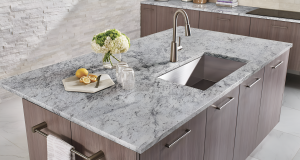
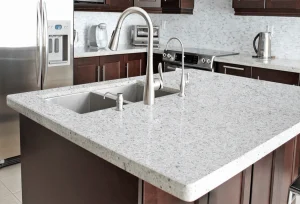
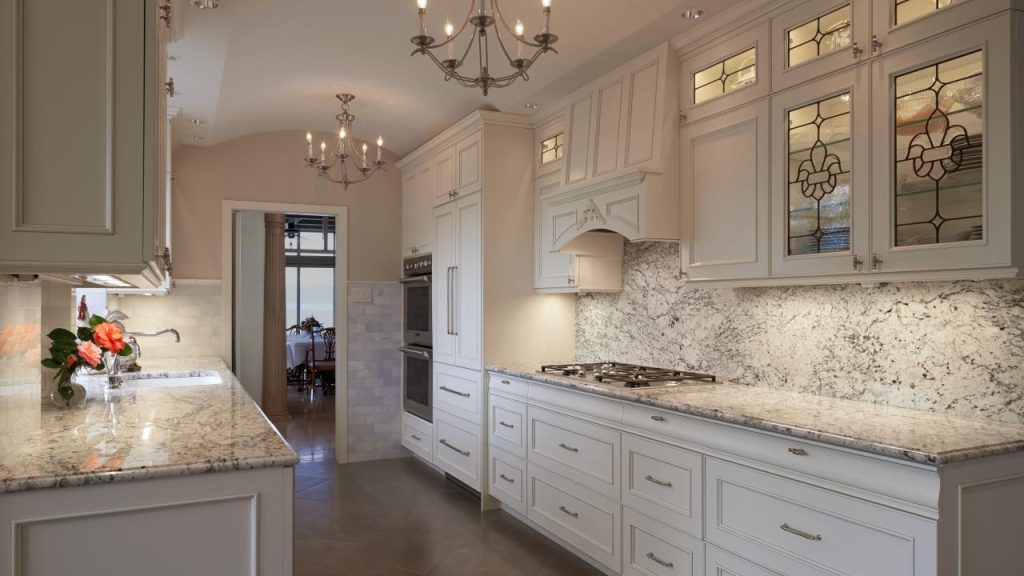
Granite has become one of the most favored materials for kitchens and bathrooms, and for good reason. This natural stone is renowned for its durability and aesthetic appeal. Granite countertops are available in a multitude of colors and patterns, ranging from subtle earth tones to bold, vibrant hues, allowing them to complement any design preference. The stone’s inherent strength makes it highly resistant to scratches, heat, and general wear and tear, which is essential in high-traffic areas like kitchens.
However, to maintain its beauty and functionality, granite requires regular maintenance, including annual resealing to protect against stains and water damage. Additionally, granite is notably heavy, which means your cabinets must be sturdy enough to support its weight. Despite these considerations, granite remains a popular choice because it can significantly enhance the overall look of any kitchen or bathroom, whether the design is modern, traditional, contemporary, or eclectic.
Pros:
– Resistant to heat, scratches, and stains.
– Chemical resistance.
– Granite is incredibly durable and easy to clean.
– Available in a broad array of natural and unique patterns and designs.
– Low maintenance required.
Cons:
– Naturally porous.
– Susceptible to cracking and chipping at the edges.
– Expensive.
– Often involves seams.
2. Marble
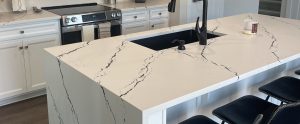
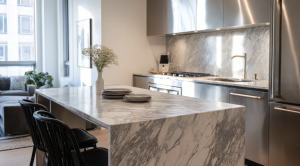
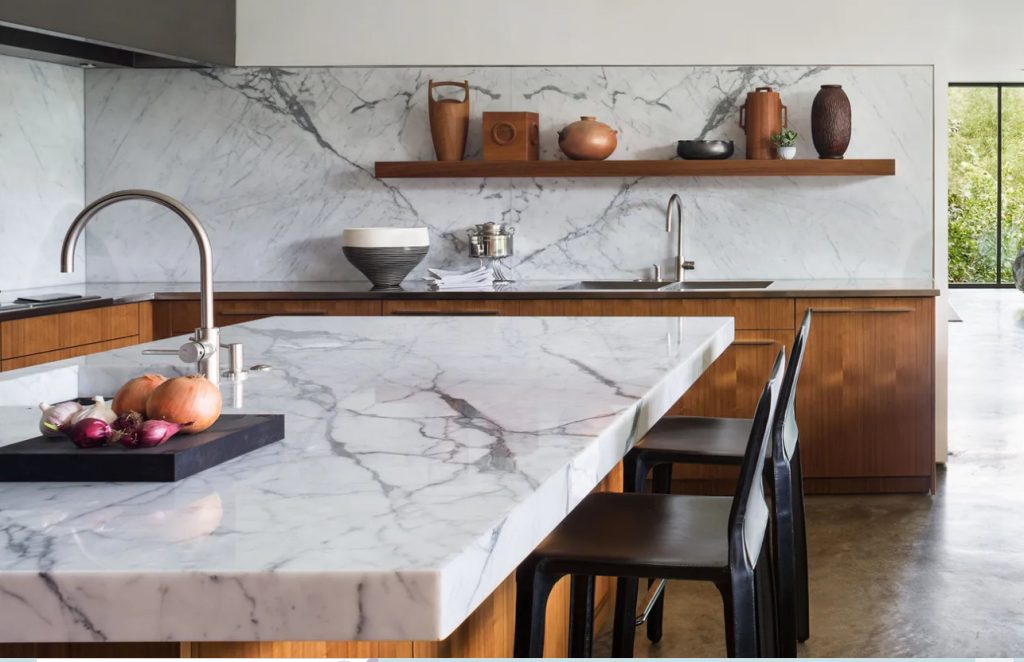
Marble is often associated with luxury and elegance, making it a popular choice for those looking to create a sophisticated ambiance in their kitchen or bathroom. This natural stone features unique veining patterns that add a touch of class and timeless beauty to any space. Marble’s smooth surface also makes it ideal for baking enthusiasts who need a cool, flat surface to work on.
However, marble’s beauty comes with its challenges. It is more porous than other materials like granite, which makes it more susceptible to staining and etching, especially when exposed to acidic substances like lemon juice or vinegar. Regular sealing is necessary to protect the surface, and even with proper care, it can still develop a patina over time, which some homeowners find appealing while others may not. Marble’s elegance is often worth the extra effort, particularly in spaces where aesthetics take precedence.
Pros:
– Offers rich aesthetic value with unique vein patterns.
– Although not completely heat-resistant, it naturally remains cool, making it an excellent surface for cooking.
– Marble countertops are quite durable and can last a long time with proper maintenance and sealing.
Cons:
– It is a porous material.
– Easily stained (Stains from acidic chemical spills can be permanent).
3. Quartz
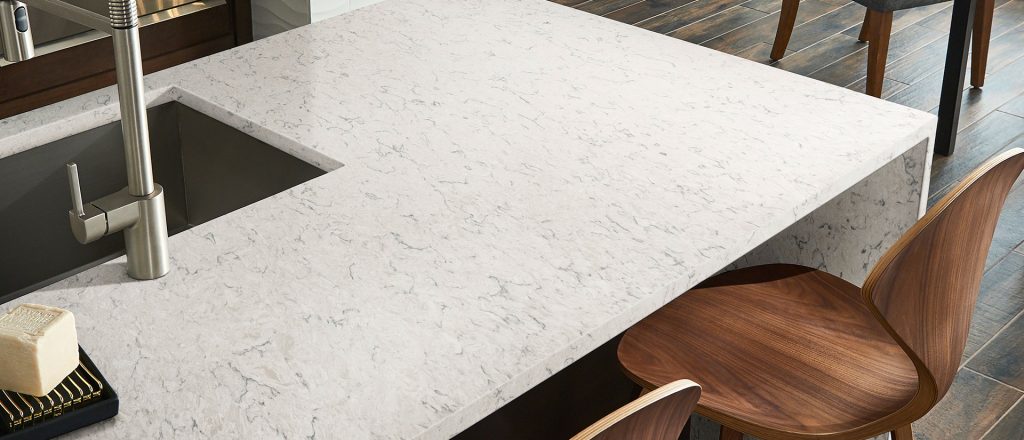
Quartz has gained popularity as a countertop material due to its durability and low-maintenance nature. Unlike natural stones, quartz countertops are engineered from a mixture of quartz minerals and resins, which makes them non-porous and highly resistant to stains, scratches, and bacteria. This makes quartz an ideal choice for busy households where functionality and ease of care are top priorities.
Another advantage of quartz is its versatility in design. It is available in a wide array of colors and patterns, including options that closely mimic the look of natural stones like marble or granite, but without the high maintenance. Despite its many benefits, quartz is not impervious to damage; it is sensitive to high temperatures, so using trivets and hot pads is essential to prevent discoloration or burns. Nonetheless, for those looking for a reliable and stylish countertop material, quartz offers an excellent balance of beauty and practicality.
Pros:
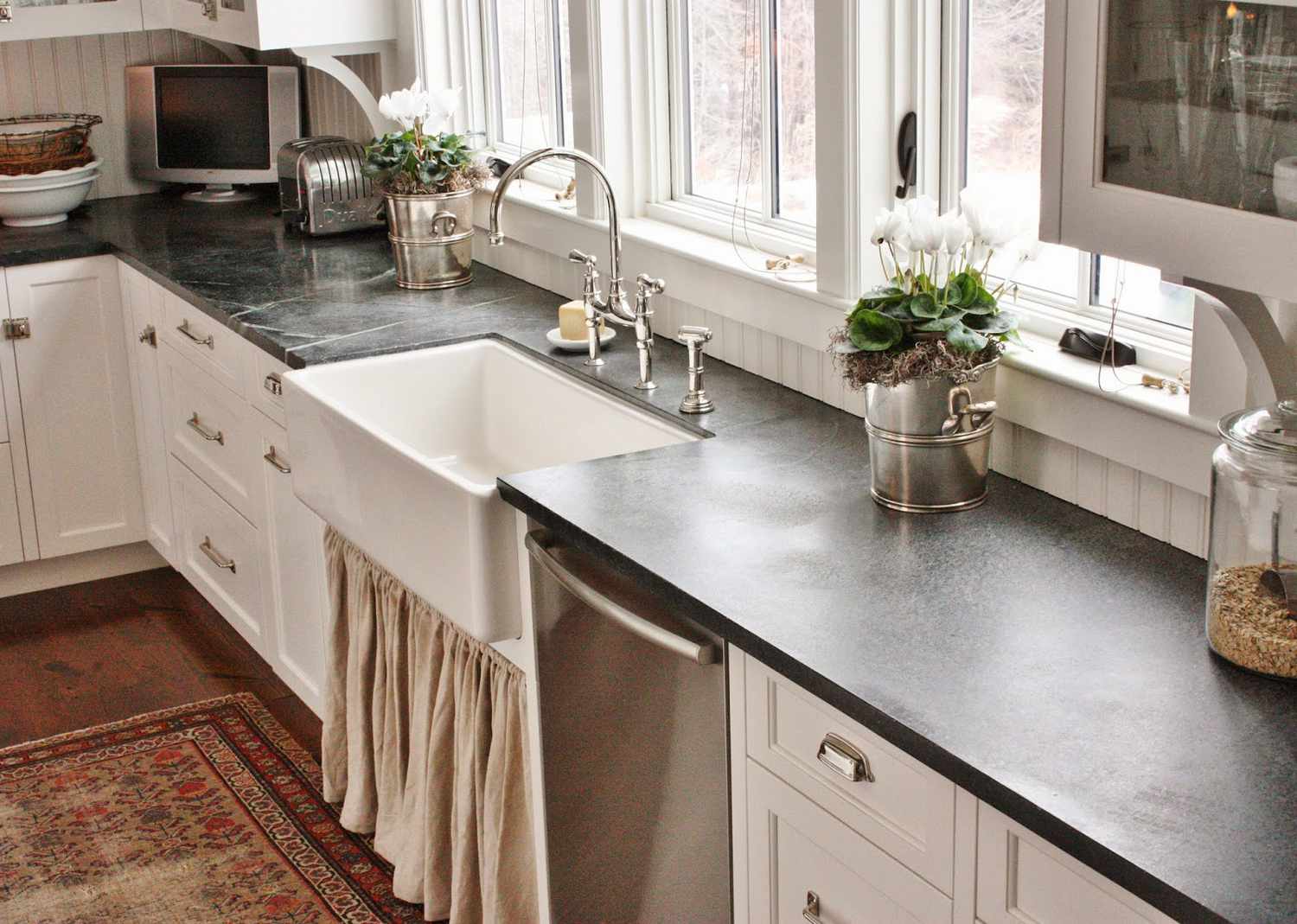
– Soapstone is nonporous and resistant to staining.
– Despite being softer than harder natural stones like granite and quartz, it boasts remarkable durability.
– Unlike other stones, it doesn’t require sealing to prevent water damage.
– Maintenance does not demand extensive cleaning.
Cons:
– Limited color and design options are available.
– Prone to scratching.
– Installation can be costly.
– Subject to uneven wear over time.
How to make the perfect choice of countertop material.
- Purpose: Your kitchen countertops should be both fitting and capable of serving the primary purposes you have for them. Do you entertain guests in your kitchen or prepare delicious meals for parties? Answering this question will help you determine which kitchen countertop options best suit these varied kitchen activities.
- Aesthetics: Countertops are visually appealing. By installing a new countertop, you can refresh your kitchen’s look and express your style and individuality. Even without making any other changes, choosing a beautiful material, color, or design can make your kitchen appear brand new, as countertops are often the room’s focal point.
- Value: Whether you plan to sell your home now or in a few years, certain countertop materials can increase your home’s value. Redesigning your kitchen, such as by selecting high-value countertops, can significantly boost your property’s market value, allowing you to recoup a considerable portion of your investment.
- Style: The material you choose is largely influenced by your preferred style. The color or pattern of your countertop may become outdated or unappealing as interior design trends and your personal tastes evolve. Modernizing your kitchen countertops can perfectly enhance its overall appearance.
Which countertop material is best for commercial use?
For commercial kitchen counters, we suggest that you use quartz or granite. This is because of their high durability, high resistance to heat, stains, and scratches, and ease of maintenance.
How can I maintain my countertops and make them last longer?
- Clean your countertops after each use.
- Know your material and treat it well. You shouldn’t be cutting meat on a wooden tabletop.
- Repair little damages as soon as possible to prevent them from getting worse.
- Do routine maintenance as often as required. For example, sealing your granite.
Conclusion
Choosing the ideal material for your kitchen or bathroom countertop requires careful consideration of your needs, priorities, and budget. By weighing the pros and cons of each material, you can ensure that the chosen countertop not only enhances the aesthetics of your space but also adds long-term functionality and value. Planning ahead and being aware of the associated costs will help you make informed decisions that align with your expectations and lifestyle.
For more inspiration and practical advice, watch our YouTube video on how to choose the best countertop material. Tailor your choice to your taste and the specific needs of your project for the best results. Watch the video here and discover how to transform your kitchen or bathroom with the perfect countertop.
Ready to Transform Your Small Kitchen?
If you’re looking to maximize your kitchen’s space with style and innovation, we’re here to help. Request a free quote today and discover how we can transform your small kitchen into a functional, stylish, and fully customized space. Don’t miss the opportunity to turn your small kitchen into an example of smart design and functionality. Contact us now and take the first step towards the kitchen of your dreams!