
Introduction: Types of countertops
When renovating a kitchen, choosing the right countertop is one of the most crucial decisions homeowners face. This choice impacts not only the kitchen’s aesthetics and functionality but also plays a significant role in the overall budget of the renovation. Selecting the ideal countertop material offers homeowners the opportunity to customize their space and can be a key aspect of a kitchen makeover. Each type of countertop, from natural stones to engineered surfaces, brings its own set of benefits and challenges, affecting everything from cost to durability and maintenance requirements. In this blog, we will dive deep into the various types of countertops, examining the pros and cons of each to help you make an informed decision that fits your lifestyle, design preferences, and budget. This guide aims to simplify the complexities involved and provide clear, actionable insights for anyone updating their kitchen.
Granite: Natural Elegance
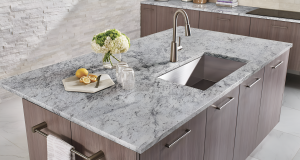
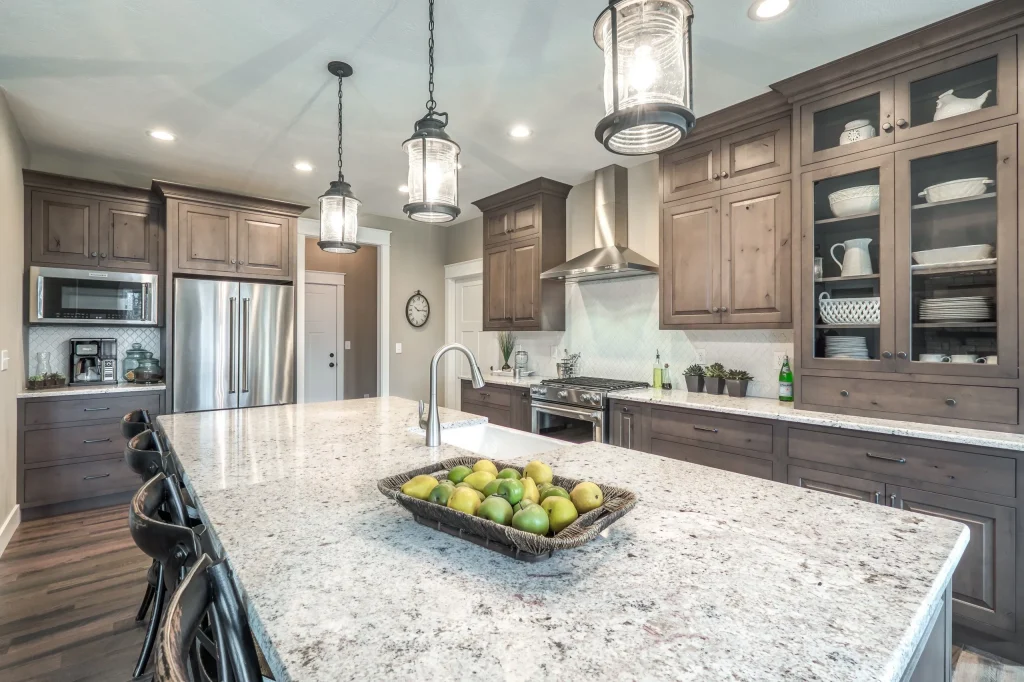
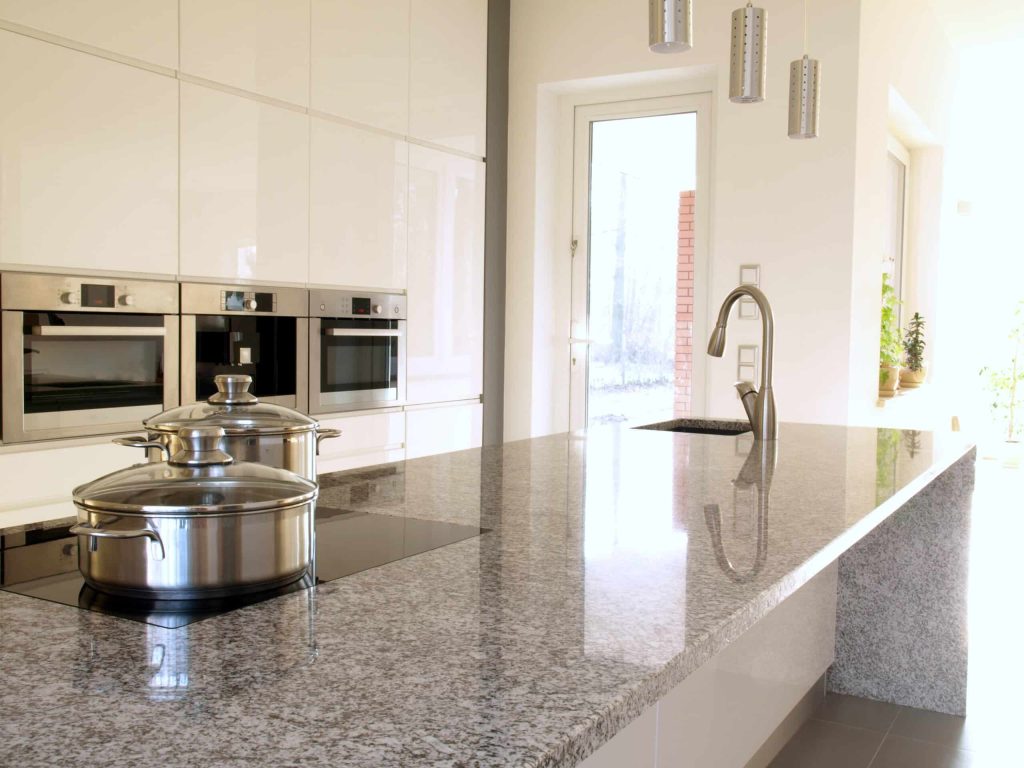
Granite is highly valued for its durability and the unique beauty of each slab. It resists heat, scratches, and cuts, making it ideal for heavy-use areas in the kitchen. Its porous nature requires sealing to prevent stains. The choice of granite brings a sense of luxury and longevity to any kitchen but comes with the need for regular maintenance.
Quartz: Resistance and Variety
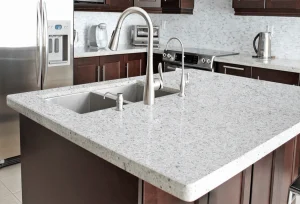
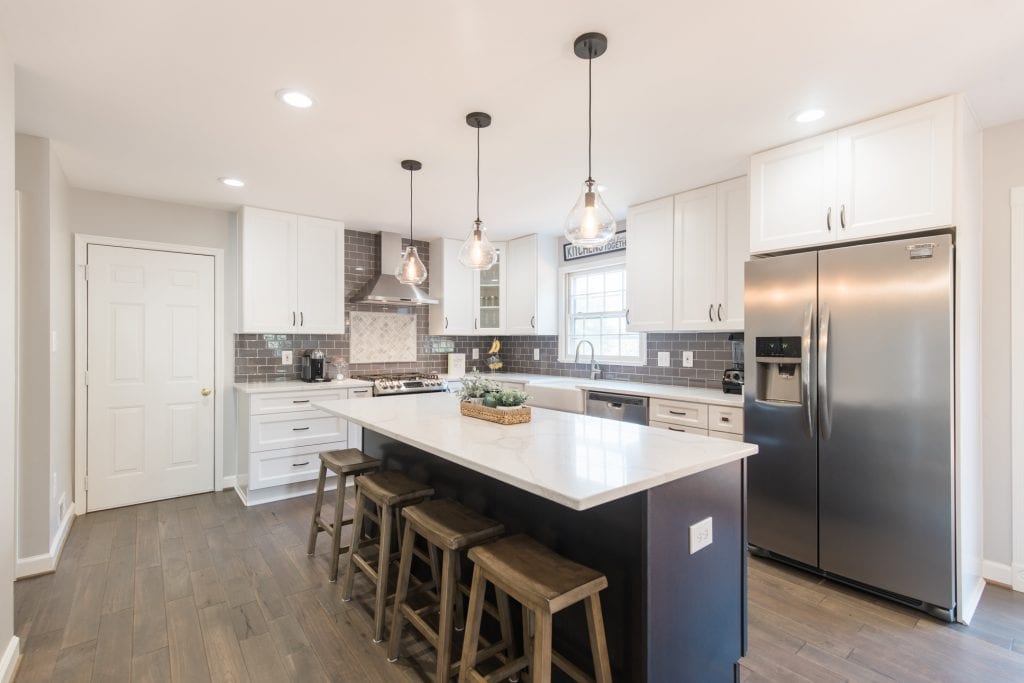
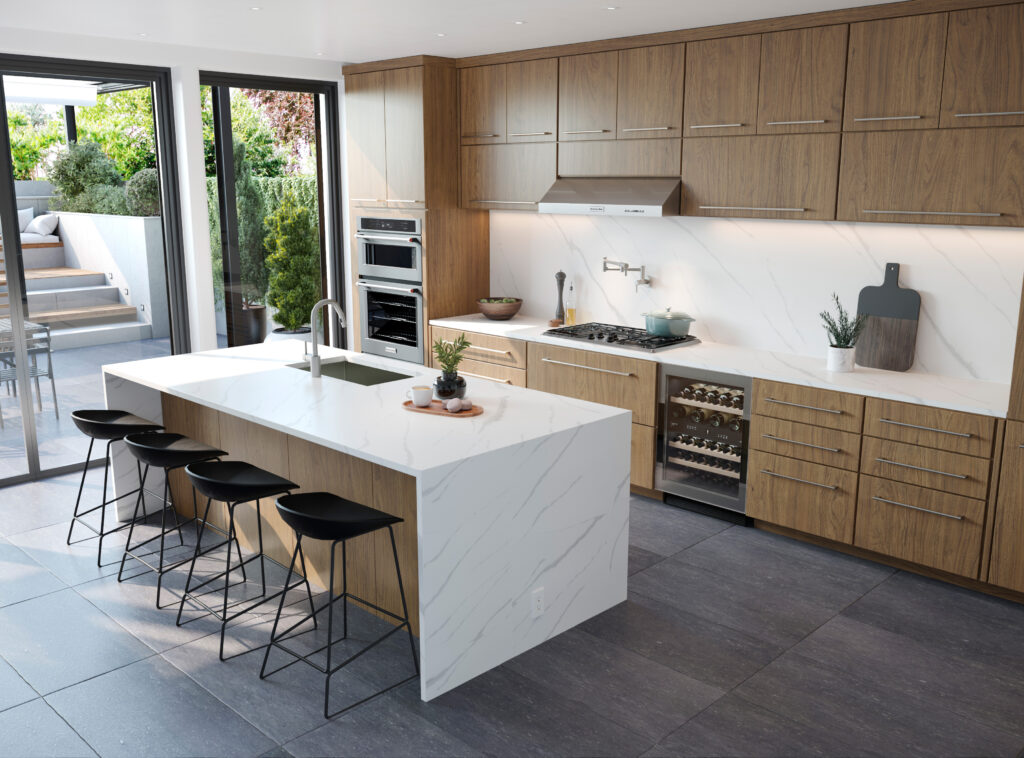
Quartz is engineered from crushed stone and resin, making it incredibly durable and non-porous, an ideal choice for busy kitchens. It does not require sealing and is resistant to stains, scratches, and bacteria growth. Its availability in a variety of colors and patterns allows it to fit seamlessly into any design scheme.
Laminate: Affordability and Versatility
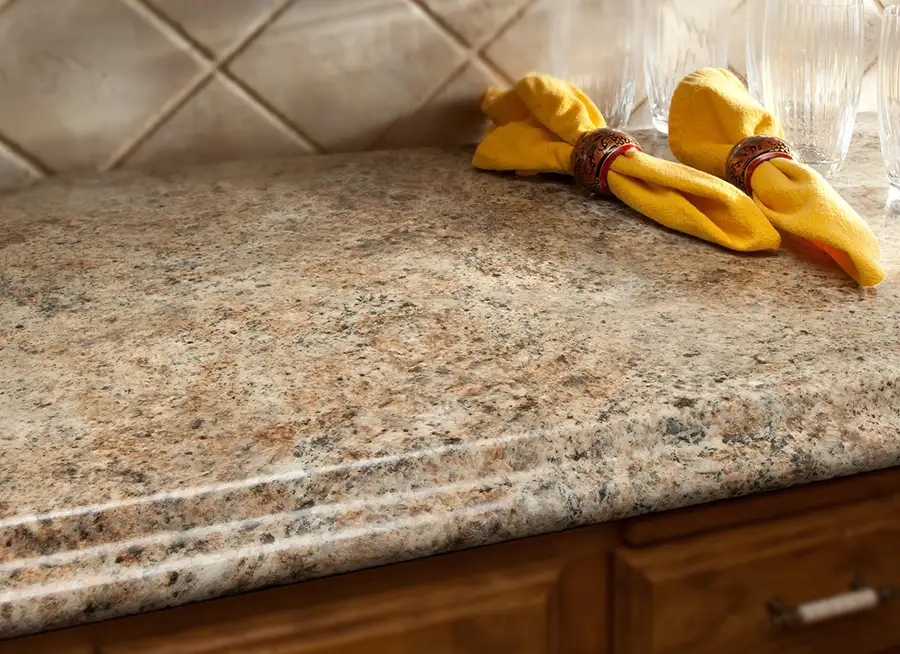
Laminate countertops offer great value, providing a wide range of colors and patterns, including options that mimic more expensive materials like granite and marble. Although less resistant to heat and sharp objects, modern laminates are durable and easy to clean, making them suitable for light to moderate kitchen use.
Marble: Classic Luxury
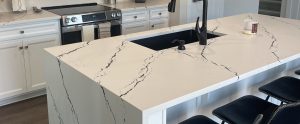
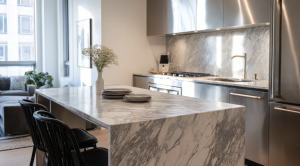
Marble countertops are prized for their stunning natural patterns and luxurious finish. Each piece is unique, adding a bespoke element to kitchens. However, marble is softer and more porous than granite, making it susceptible to stains, scratches, and etching. Regular sealing and careful maintenance are required to preserve its beauty.
Wood: Warmth and Functionality
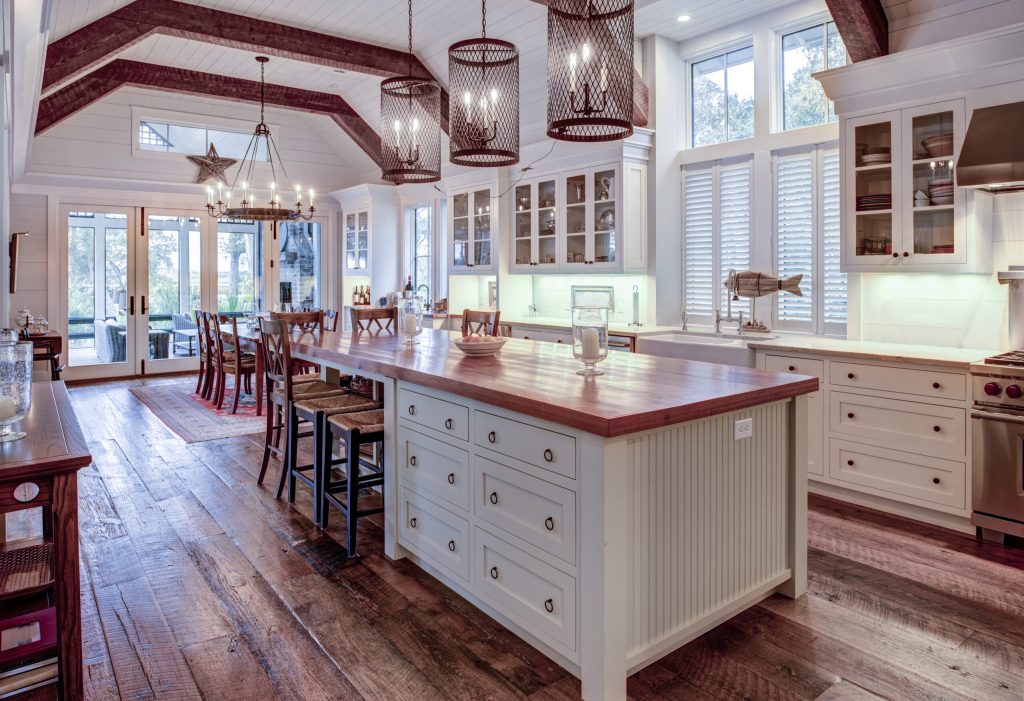
Wood countertops add warmth and character to a kitchen, creating a welcoming ambiance. They’re perfect for food preparation but do require maintenance to prevent damage from water and heat. Regular oiling and occasional sanding will keep them looking fresh and vibrant.
Solid Surfaces: Seamlessness and Ease
Solid surface countertops are made from a blend of acrylic or polyester and mineral fillers, providing a seamless look and a wide array of colors and patterns. They are durable, non-porous, and can be easily repaired if scratched. Their seamless nature makes them particularly appealing for large areas without visible joints.
Conclusion:
Properly maintaining your kitchen countertops is essential to ensure their durability and beauty over time. Understanding the necessary care from choosing the right cleaning products to protecting against elements like moisture and sunlight, you can maintain the functionality and appearance of your countertops. Check out our YouTube video to see these tips in action and remember to tailor the care methods to the specific material of your countertops for the best results. Watch the video here.
Want to ensure your kitchen countertops stay like new?
Visit our website for more tips and solutions on countertop maintenance. Don’t delay! Contact us now and discover how we can help you keep your kitchen always perfect. Transform your kitchen into an example of care and sophistication. Don’t miss out Contact us today!